
The Hidden Materials That Make Everyday Products Perform Better
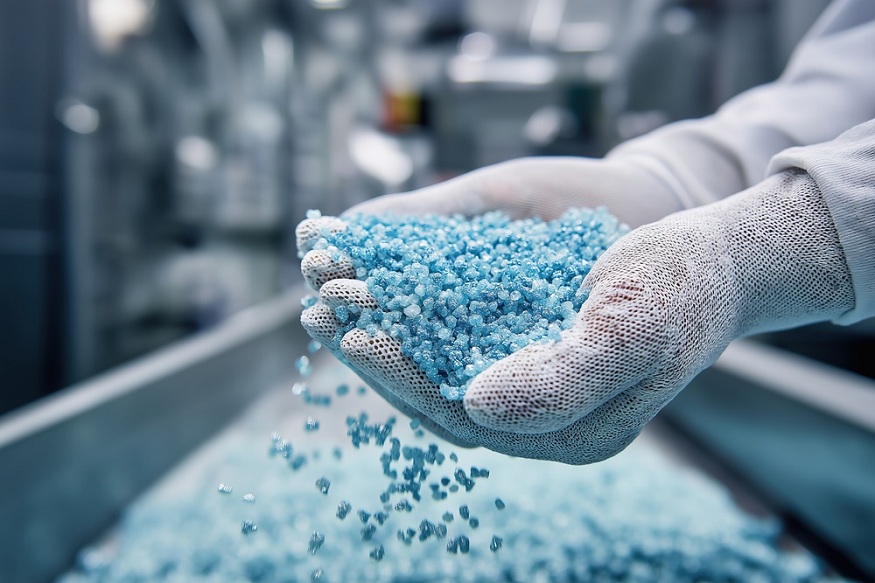
Every store has shelves filled with surprisingly effective products. That phone case is designed to bounce back. Your jacket is warm but not bulky. The yogurt container peels open cleanly every single time. Behind each of these small victories lies a material engineered to do one job perfectly.
The Science Behind Better Performance
Materials scientists are like detectives solving hidden puzzles. We need a shampoo bottle that’s easy to squeeze and bounces back. Car bumpers must absorb impact and then look brand new. Each challenge sends researchers back to their labs. Getting from the lab to the store takes a long time. Scientists manipulate compounds by heating, freezing, and stretching them to breakage. They start over. Again and again. One breakthrough might come after testing 10,000 variations. That’s the reality of materials research.
Read More: THE SCIENCE OF STAYING STRONG IN THE HARSHEST CONDITIONS
What makes this field exciting? Solutions pop up in weird places. A chemist working on jet engine parts accidentally creates a non-stick coating. Spider silk research leads to improved bandages. Happy accidents arise from materials acting unexpectedly under stress.
Synthetic Waxes and Their Surprising Applications
Take synthetic waxes as an example. Companies like Trecora manufacture these specialty materials that show up everywhere once you look. Your cheese stays fresh longer because synthetic waxes in the wrapper block oxygen. Candy coatings stay shiny on store shelves for months thanks to these compounds. Even the time-release coating on vitamins relies on carefully formulated waxes.
But here’s what amazes most people about synthetic waxes. They’re completely invisible in the final product. You never taste them in food. You can’t feel them on packaging. Yet remove them, and everything falls apart. The cheese grows mold in days. The candy gets dull and sticky. Pills dissolve too quickly, causing stomach upset.
Materials That Changed Everything
Memory foam tells a great story about accidental discovery. NASA needed better crash protection for test pilots. They created a foam that absorbed energy and then slowly returned to its original shape. Nobody thought about mattresses at first. Today, people with back pain swear by memory foam. Athletes recover faster sleeping on it. Even shoe companies put it in sneakers.
Read More: WHY SOME PACKAGING PERFORMS BETTER UNDER PRESSURE
Then there’s Gore-Tex, which solved an impossible problem. Rain jackets used to be plastic bags with sleeves. Sure, they kept water out. But you’d be soaked in sweat after walking for ten minutes. Gore-Tex has nine billion tiny holes per square inch. Water droplets can’t fit through but vapor molecules escape easily. Simple idea, but it took years to get right.
The Future of Hidden Materials
Right now, scientists are cooking up materials that sound like science fiction. Concrete that fills its own cracks. Plastics that fully dissolve in seawater. Metal alloys that can revert to their original shape after being heated. The really wild stuff involves materials that respond to their environment. Imagine windows that darken automatically on sunny days. Or bandages that change color when an infection starts. These aren’t concepts anymore. They’re products in testing, maybe two or three years from market. Biology offers the biggest inspiration now. Studying mussels’ wet-rock grip could lead to better surgical glue. Butterfly wings inspire non-fading paint. Nature solved these engineering problems millions of years ago.
Conclusion
We depend on hidden materials more than we realize. Because of them, today’s products offer enhanced longevity, improved functionality, and reduced prices. Decades of global laboratory trials and errors have led to each improvement. Tomorrow’s breakthrough may come from a scientist who, feeling frustrated, attempts one more experiment before going home. This is how groundbreaking discoveries tend to come about. Not through grand plans but through persistence, curiosity, and a willingness to see potential in unexpected results.