
The Science of Staying Strong in the Harshest Conditions
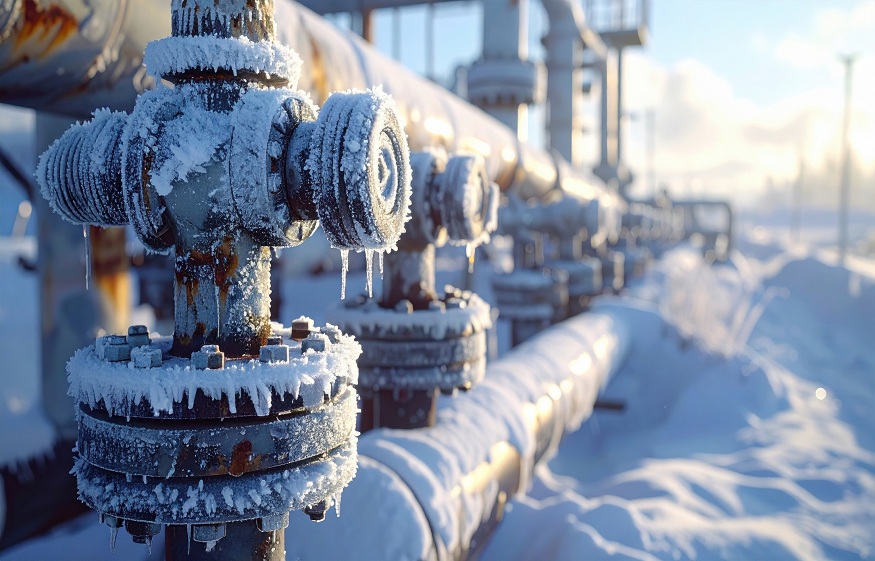
Desert heat melts plastic into useless puddles. Arctic temperatures turn steel brittle as glass. The ocean’s crushing depths collapse submarines like soda cans. Space kills with radiation that rips molecules apart. Humans venture into these deadly places anyway, protected by materials that laugh at conditions that would destroy ordinary substances.
Understanding Material Stress and Failure
Everything breaks eventually. Heat jiggles atoms until they fly apart. Cold locks atomic movement until structures snap. Pressure fuses atoms and causes structural buckling. Radiation shatters molecular bonds. Difficulties overwhelm materials. Submarine steel fights water pressure and salt corrosion at the same time. Rockets face heating, freezing, shaking, and radiation in a single flight. Jet fighters handle furnace heat from air friction while freezing at high altitude. Plus combat turns that multiply gravity by nine. One stress might be manageable. Together they spell doom for weak materials.
Read More: WHY SOME PACKAGING PERFORMS BETTER UNDER PRESSURE
Scientists peer into materials to catch failure in action. Electron microscopes reveal baby cracks spreading. Particle beams simulate decades of radiation damage in hours. Supercomputers model atomic behavior under conditions that would vaporize real test equipment. Knowledge gained from watching materials die helps birth tougher replacements.
Engineering Solutions Through Chemistry
Atoms stick together in different ways, creating different properties. Weak bonds create jelly. Fierce bonds make diamonds. Carbon’s atom arrangement dictates its form, from graphite to diamond. These differences are exploited by smart chemistry. Mix and match elements for custom results. Ceramics take heat but crack if you drop them. Metal bends easily but melts when heated. Combining them into cermets creates turbine blades resistant to extreme heat.
Plastics are now used for more than toys. Scientists create long molecular chains and form them into nets. Some stay rubbery when nitrogen freezes. Others work fine when regular plastic would be soup. Add cross-links between chains and suddenly acids can’t touch them. Each tweak solves a different problem.
Military and Aerospace Demands
Military hardware operates where physics gets violent. Fighter jets perform maneuvers with forces strong enough to crush watermelons. Missiles reach bullet speed in a flash. Hypersonic craft glow white-hot from air friction. Aluminum would be vapor. Steel would drip. These machines need better.
Companies such as Axiom Materials supply high-temperature prepreg materials for defense aerospace applications that survive where metal surrenders. Their composites mix super-strong fibers with resins that stay solid at temperatures that turn aluminum into silver puddles.
Prepreg changed how aerospace companies build things. The material comes sticky and ready to shape. Layer it up, cook it hard, and out comes something stronger than steel but lighter than aluminum. Factories waste less material. Parts come out perfect more often. Time from design to flight dropped dramatically.
Radar-dodging aircraft create extra headaches. Their skin must absorb radar waves while surviving rain, hail, lightning, and temperature swings that would crack concrete. Change the material’s electromagnetic properties even slightly and enemies spot you. Balancing stealth against strength took decades to figure out.
Testing in Extreme Conditions
Labs torture materials until they confess their weaknesses. Ovens blast samples while robots rip them apart. Pressure tanks recreate ocean trenches. Radiation chambers deliver a lifetime of cosmic rays in an afternoon. Weak materials fail fast. Strong ones graduate to harder tests. Nature hits differently than labs. Sea spray corrodes uniquely. Daily temperature swings cause weird failures. Stresses team up in ways engineers never expected. Every crashed plane and collapsed structure teaches lessons that textbooks missed.
Read More: THE IMPORTANCE OF NALLY MEGABIN IN MODERN STORAGE SOLUTIONS
Conclusion
Yesterday’s miracle materials fill today’s junkyards. Today’s cutting-edge composites will seem primitive soon. Progress accelerates. Each breakthrough unlocks new territories for exploration. Deeper oceans. Faster flight. Permanent space colonies. Materials that survive the impossible make the impossible possible.